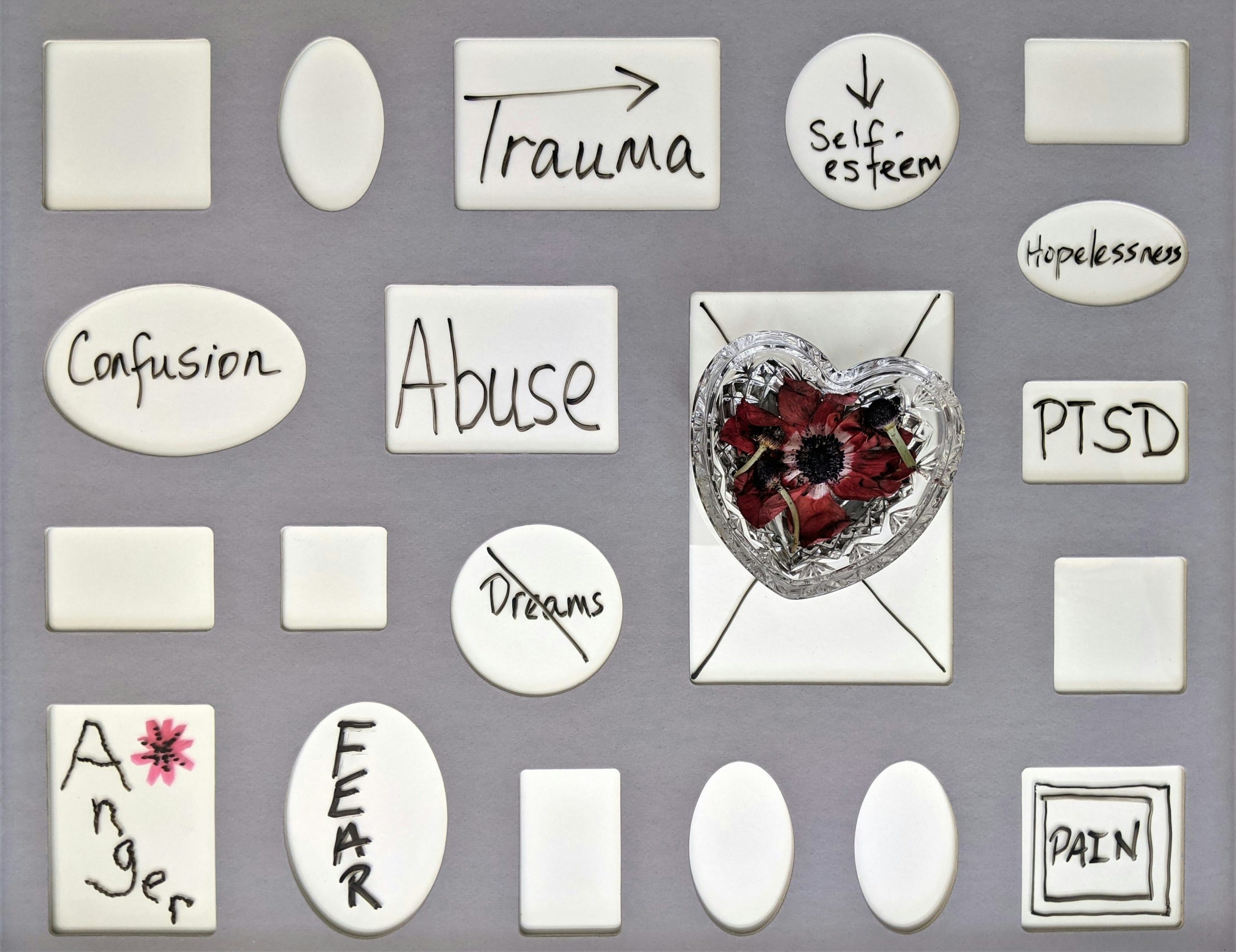
Trauma can significantly affect the brain and nervous system. While some people recover naturally over time, others develop ongoing symptoms that may lead to Post-Traumatic Stress Disorder (PTSD) or Complex PTSD (C-PTSD). Both conditions are treatable, and with the right support, recovery is possible.
What Is PTSD?
PTSD can develop after experiencing or witnessing a traumatic event such as an accident, assault, combat, medical trauma, or natural disaster.
Common symptoms include:
- Flashbacks and nightmares
- Anxiety and hypervigilance
- Emotional numbness
- Avoidance of reminders
- Sleep disturbances and irritability
These symptoms occur because the nervous system remains stuck in survival mode long after the danger has passed.
What Is Complex PTSD?
Complex PTSD develops after prolonged or repeated trauma, often involving childhood abuse, domestic violence, coercive control, or long-term emotional abuse.
In addition to PTSD symptoms, C-PTSD may involve:
- Emotional dysregulation
- Persistent shame or low self-worth
- Dissociation
- Difficulty trusting others
- Relationship instability
Complex trauma affects not only fear responses, but also identity, attachment, and emotional regulation.
How Trauma Affects the Brain
Trauma changes how the brain processes stress and danger:
- The brain’s threat detection system becomes overactive
- Rational regulation becomes less effective
- The nervous system stays locked in fight, flight, freeze, or fawn responses
These reactions are automatic survival mechanisms - not signs of weakness.
Treatment Options
Effective trauma treatment may include:
- Cognitive Behavioural Therapy (CBT)
- EMDR
- Somatic therapies
- Dialectical Behavioural Therapy (DBT)
- Clinical hypnotherapy
Because trauma is stored not only as thoughts, but also as emotional and nervous system patterns, therapies that work with the subconscious can be particularly beneficial.
How Clinical Hypnotherapy Helps
Clinical hypnotherapy is a structured, evidence-based approach that works with the subconscious mind and autonomic nervous system.
Unlike stage hypnosis, clients remain fully aware and in control throughout the process.
Hypnotherapy may help by:
- Reducing emotional intensity linked to traumatic memories
- Calming the nervous system
- Improving emotional regulation
- Rebuilding internal safety and self-trust
- Changing deeply ingrained negative beliefs
Many clients also learn self-hypnosis techniques to better manage triggers and anxiety independently.
Is Hypnotherapy Safe?
When provided by a qualified, trauma-informed practitioner, clinical hypnotherapy is considered safe and effective. Trauma-informed therapy focuses on:
- Collaborative pacing
- Emotional stabilisation
- Client control and consent
- Avoiding overwhelming or forced memory work
Recovery Is Possible
Healing from PTSD and Complex PTSD takes time, but the brain is capable of change throughout life. With appropriate therapeutic support, many people experience:
- Reduced anxiety and hypervigilance
- Improved emotional stability
- Greater confidence and self-worth
- Healthier relationships
- A renewed sense of safety and purpose
You do not have to remain stuck in survival mode. Recovery is possible, and support is available.
Want help with something like this?
Rhondda Stewart sees clients in Haberfield, Sydney. Start with a free suitability call and she will tell you honestly whether hypnotherapy can help.